Reiki: How Energy Healing Works
Introduction
Reiki is a gentle yet powerful method of energy healing. It supports the body’s natural healing process by promoting balance in the physical, emotional, mental, and spiritual layers of a person. Reiki is not a religion or belief system. It works regardless of your background or faith. This blog explains what Reiki is, how it works, and what to expect from a session.
What Is Reiki?
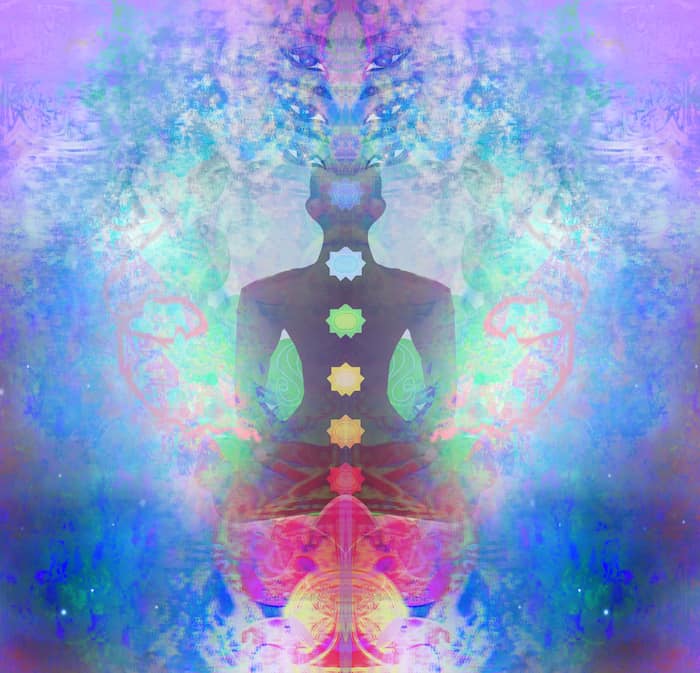
Reiki is a Japanese word that means “universal life force energy.” The word is made of two parts: Rei (universal or spiritual) and Ki (life energy). This energy flows through all living things. When this energy is low or blocked, it can lead to stress, fatigue, or illness. When it flows freely, it supports well-being.
Reiki was developed in the early 1900s by Mikao Usui in Japan. It has since spread worldwide and is used in homes, clinics, hospitals, and wellness centres.
How Does Reiki Work?
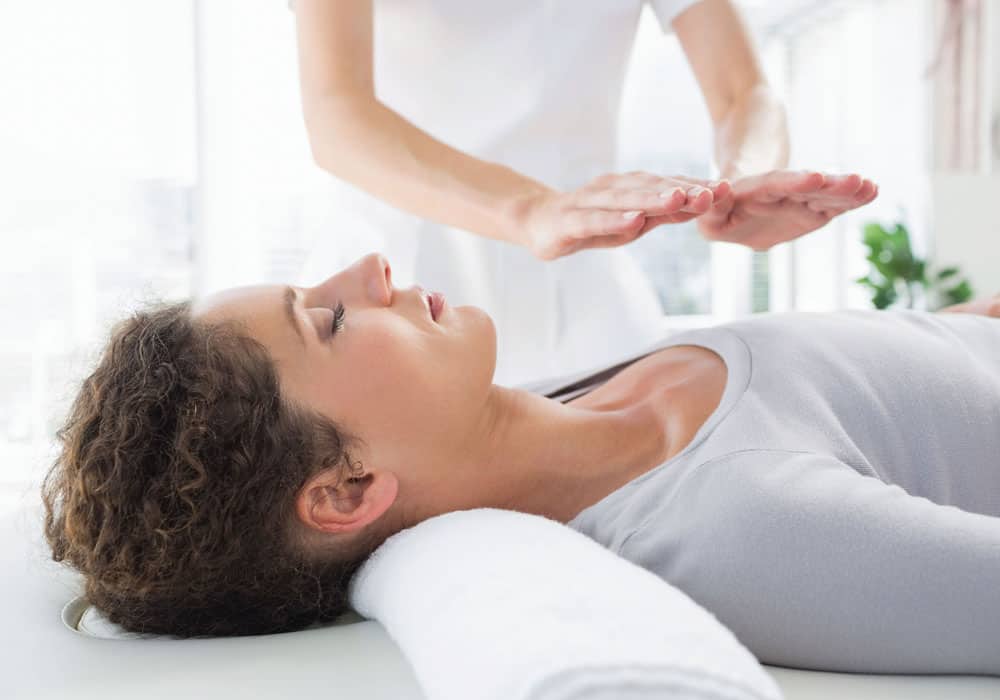
Reiki works by channelling energy through the hands of a trained practitioner. The practitioner serves as a bridge for this energy. They do not use their energy. Instead, they connect to a universal source and direct that energy to the recipient.
The energy flows to where it is most needed. It is believed to clear blockages, restore balance, and support the body’s healing abilities.
Here’s how the process works:
-
Connection – The practitioner enters a calm and focused state and opens themselves to the energy.
-
Channelling – With hands either gently placed on the body or held just above it, energy is channelled into the client.
-
Response – The client’s body receives the energy and begins to respond by relaxing, releasing tension, or rebalancing areas of disruption.
 What Happens During a Reiki Session?
A Reiki session usually lasts between 45 to 90 minutes. Here’s what you can expect:
-
Environment: The space is quiet, clean, and peaceful. Soft music may play in the background.
-
Clothing: You stay fully clothed. You usually lie on a massage table or sit in a comfortable chair.
-
Hand Positions: The practitioner uses a series of hand positions, either touching lightly or hovering just above the body.
-
Sensations: You may feel warmth, tingling, or gentle pulsing. Some people feel emotional release or deep peace.
Each session is unique. The energy flows based on what your system needs at that moment.
Benefits of Reiki
Many people report feeling better after a Reiki session. Reiki does not replace medical treatment, but it can complement it by:
-
Reducing stress and anxiety
-
Improving sleep quality
-
Easing pain or discomfort
-
Supporting emotional clarity
-
Enhancing self-awareness
-
Aiding spiritual growth
Reiki may also help during recovery from illness or surgery. Some hospitals use Reiki alongside conventional care to ease side effects and promote relaxation.
Scientific View and Research
While Reiki involves energy not yet fully measurable by science, several studies suggest real benefits:
-
A 2017 review found Reiki effective in reducing pain and anxiety in cancer patients.
-
Another study reported improvements in heart rate and blood pressure after Reiki sessions.
-
In clinical settings, Reiki is known to promote calm and comfort.
Although research continues, the consistent results point to Reiki’s value as a supportive healing method.
The Role of the Reiki Practitioner
A Reiki practitioner is trained to work with this energy. They receive attunements from a Reiki Master, which enables them to connect to the Reiki flow. Training is offered in levels:
-
Level 1: Focuses on self-healing and offering Reiki to others through touch.
-
Level 2: Introduces distant healing and Reiki symbols.
-
Level 3 or Master Level: Involves a deeper understanding and the ability to teach and attune others.
A good practitioner is calm, grounded, and respectful of your healing journey. They do not diagnose or offer medical advice. Their role is to hold space and let the energy do the work.
What Reiki Feels Like
Reiki affects each person differently, but common experiences include:
-
A warm or tingling feeling in the body
-
Deep relaxation or falling asleep
-
Emotional release (such as tears or laughter)
-
Insights or clarity during or after the session
-
A sense of peace and lightness
Even if you don’t feel anything during a session, the energy still works. Some effects are subtle and show over time.
Reiki for Physical and Emotional Healing
Reiki supports both body and mind. On a physical level, it helps reduce tension, ease pain, and support the immune system. On an emotional level, it calms the nervous system and allows old patterns to release.
Reiki does not force healing. It respects your body’s wisdom and flows where needed. Some people feel better right away. Others notice changes after a few days. Each person’s healing path is unique.
Reiki and Spiritual Growth
Reiki is not linked to any religion, but it often brings a sense of connection and purpose. It may:
-
Help you feel more present and aware
-
Increase compassion and inner peace
-
Deepen your intuition or sense of guidance
Some people use Reiki as part of a spiritual path. Others use it simply for relaxation. Both are valid.
Can Reiki Be Done From a Distance?
Yes. Reiki is not limited by time or space. A trained practitioner can send Reiki energy to someone far away. This is called distant healing. It works through intention and connection.
Clients who receive distant Reiki often report the same effects as in-person sessions. This makes it a good option if travel is not possible or if you prefer healing from your own home.
How Many Sessions Do You Need?
One session can provide benefits. However, healing is a process. For deeper or long-term issues, a series of sessions is often recommended. Your practitioner may suggest a plan based on your needs.
Some people book Reiki once a month for maintenance. Others come weekly during stressful times. The frequency is flexible and based on your goals.
Who Can Benefit from Reiki?
Reiki is safe for everyone, including:
-
Children and the elderly
-
Pregnant women
-
People recovering from surgery
-
Individuals with chronic conditions
-
People are going through emotional stress
Reiki is a gentle method that adapts to the person receiving it. It never causes harm and supports whatever healing is possible at the time.
How to Choose a Reiki Practitioner
When choosing a practitioner, consider the following:
-
Are they trained and certified?
-
Do they explain how Reiki works?
-
Do you feel safe and comfortable with them?
-
Are they respectful of your boundaries?
Trust your instincts. A good practitioner creates a space of acceptance and care.
Conclusion
Reiki offers a natural way to support healing and restore balance. It works with the body’s energy system and promotes peace on many levels. Whether you need stress relief, emotional support, or a deeper connection with yourself, Reiki provides a simple and effective path.
If you would like to experience Reiki for yourself, Healing Light offers sessions in a safe and supportive environment. You are welcome to book a session or ask questions. We are here to support your journey.
Call to Action
Ready to try Reiki? Book your session today at Healing Light S.A. and experience the benefits of energy healing.